مقال رأي بقلم الصحفي أحمد أبو حمد
English text is following to the Arabic text
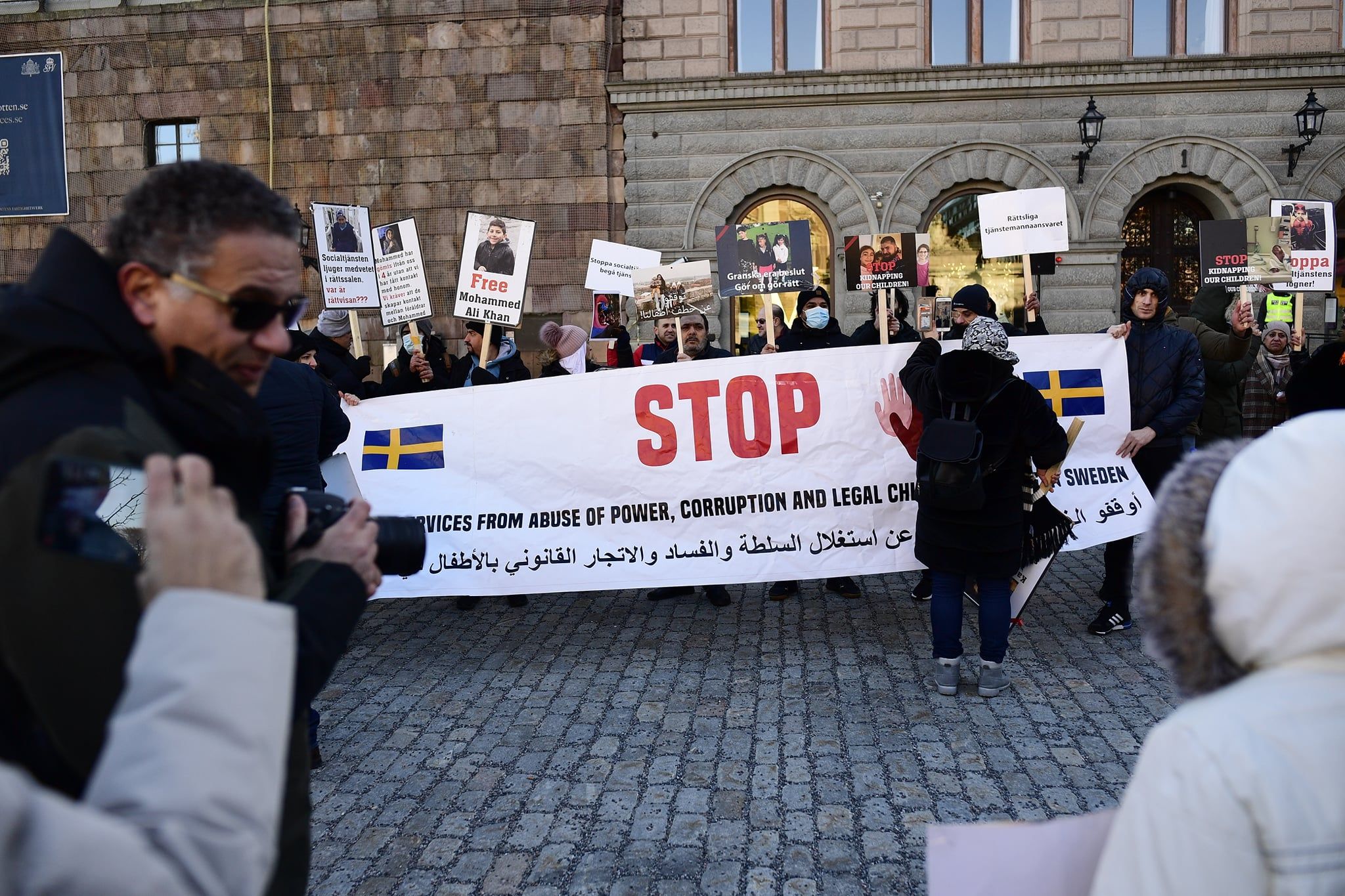
كشفت أزمة السوسيال المتعلقة بادّعاءات سحب الأطفال من العائلات المسلمة في السويد عن عدّة مشاكل بنيوية في أسس التواصل مع شريحة واسعة من السكان، لابد من إيجاد حلول لها قبل أن تتفاقم.
ويجب تفكيك الأزمة المتشابكة إلى عدّة جوانب كي يتم فهمها، والعمل على إيجاد حلول واقعية لها بأسرع وقت ممكن قبل أن تصبح أكثر خطورة.
الإعلام السويدي يتجاهل المهاجرين
عند النظر إلى بدء اتّخاذ الأزمة لطابعها الخارجي، نجد أن الأهالي اضطروا للتواصل مع جهات إعلامية إما خارجية، مثل قناة شؤون إسلامية التي تبث على يوتويوب، أو جهات لا علاقة لها بأسس الإعلام المحترف، مثل صفحة الشاب الذي يعمل في مجال الحلاقة والذي قام بنشر فيديو العائلة التي تم سحب طفلها منها بدافع التعاطف، دون التأكد من ادّعاءات العائلة أو توخي أخلاقيات الإعلام.
اللجوء إلى هذه الوسائل الإعلامية جاء بعد فشل العائلات من طرح المشاكل التي لديهم في الإعلام السويدي، سواء الخاص أو ذو التمويل العمومي، لأن طريقة تغطية الوسائل الإعلامية السويدية للقضايا المتعلقة بالمهاجرين تعاني من خلل كبير.
بالنسبة لوسائل الإعلام السويدية فإن صورة المهاجر تظهر أساسياً في حالتين، الأولى أخبار الجرائم التي توحي بأن مجتمعات المهاجرين هي مجتمعات مجرمة، والثانية قصص النجاح للمهاجرين في أمور عادية، مما يوحي بأن الصحفي السويدي لا يتوقع من المهاجر النجاح أصلاً، فيصبح نجاحه يستحق التحول إلى مادة خبرية.
كما أن الصور النمطية المسبقة لدى الصحفيين السويديين تجاه المهاجرين والمسلمين، والنظرة المتشككة تجاه ما يطرحونه من مشاكل يظهر انعدام الثقة بين الطرفين، وهذه ليست ادّعاءات أضعها جزافاً، حيث يمكن لكل مؤسسة إعلامية أن تجري تحليل لمضمون الأخبار لديها أو إجراء مسح سريع لعينة عشوائية من المهاجرين للتأكد من طريقة تغطية قضايا المهاجرين والمسلمين فيها.
العنصرية المتزايدة
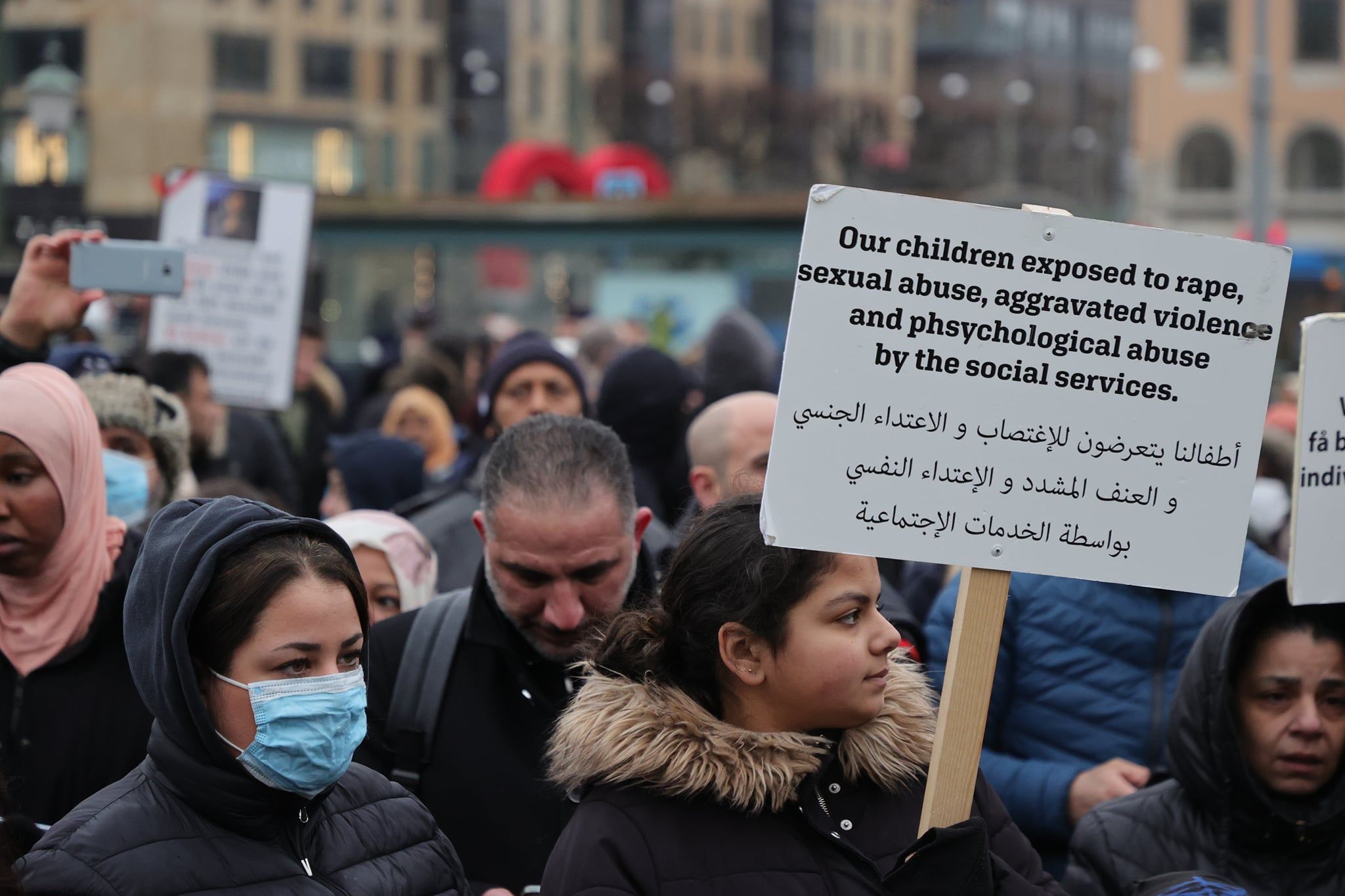
هذه ليست المرة الأولى التي يظهر فيها تعبير قوي عن الشعور بالظلم لدى مجتمع المسلمين في السويد، بسبب العنصرية والتهميش والعزلة الاجتماعية، فأحداث مدينة مالمو التي وقعت في شهر أغسطس من عام 2020، والتعليقات السلبية الكبيرة التي انتشرت بعد وفاة رسّام الكاريكاتير لارش فيلكس مؤشر على الأحباط الكبير الذي يعيشه المسلمون في السويد.
على الرغم من أنها أحداث متعلقة بالإسلام إلا أنني أعتبرها مرتبطة في العنصرية تجاه اللون والعرق وليس الدين بشكل أساسي، لأن غالبية المسلمين في السويد من خلفية مهاجرة وذوي بشرة ملوّنة.
أن قضية السوسيال مبنية على أخبار كاذبة، ومع ذلك تأخذ كل هذا التأييد داخل مجتمع المسلمين سببه الشعور الجمعي لدى المسلميين بالظلم، ولو لم تكن هناك تجارب شخصية سابقة متعلقة بالعنصرية والظلم لدى الكثير من المسلمين لما صدّقوا الأخبار الكاذبة وتعاطفوا معها.
على مؤسسات الدولة السويدية أن تأخذ هذه المشكلة على محمل الجد من الآن فصاعداً، والعمل على البحث عن مراكز العنصرية والقضاء عليها بدلاً من التعامل مع كل احتجاج وكأنه حدث منفصل لوحده.
الغموض في التواصل بين الدولة والقادمين الجدد
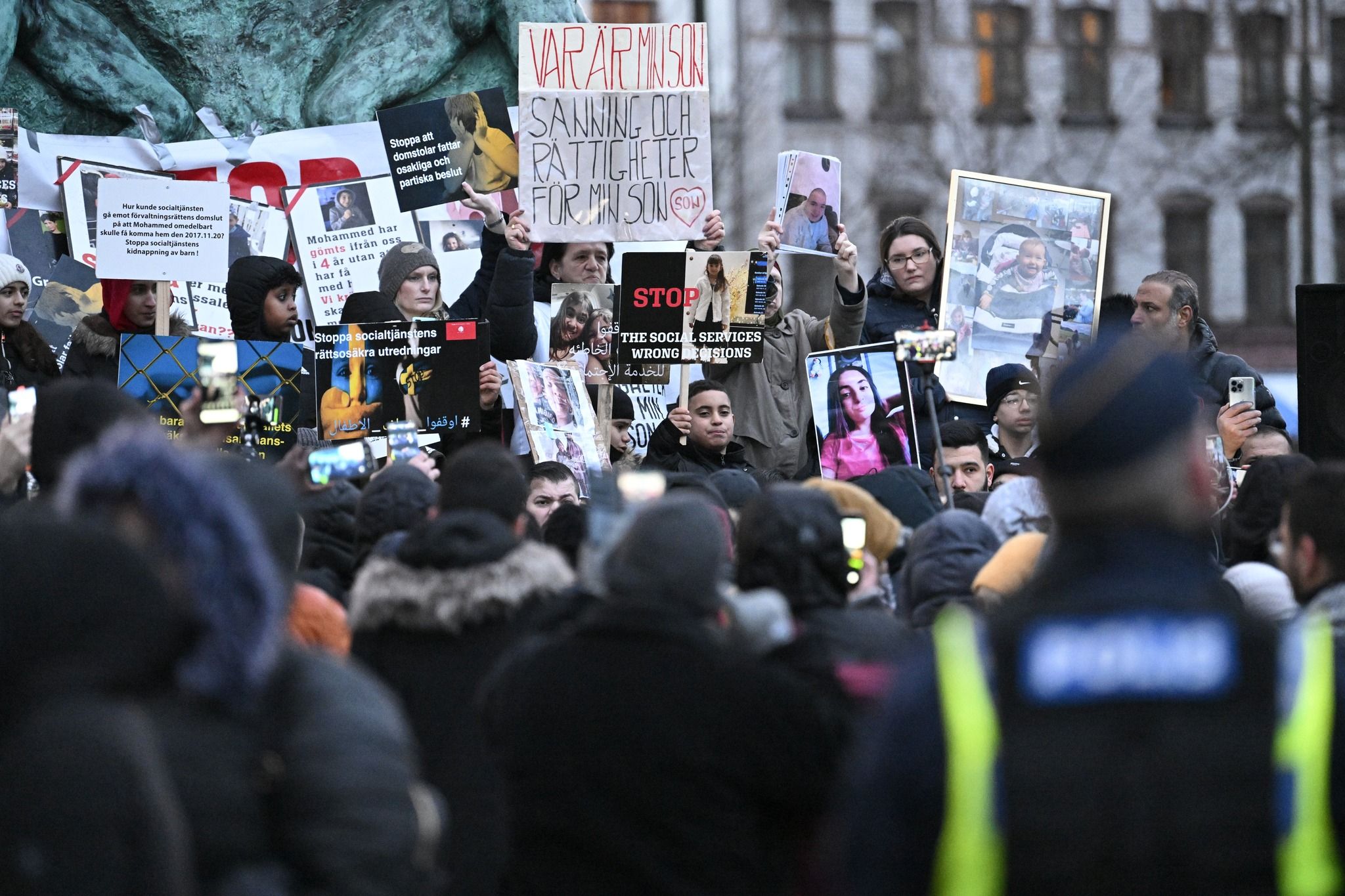
غالبية المسلمين في السويد قادمين من خلفيات مهاجرة، وبالأساس من دول لا يوجد فيها ثقة بين مؤسسات الدولة والمواطنين، لكن السويد فشلت بشكل كامل بشرح العلاقة الجديدة بين مؤسسات الدولة والسكّان الجدد.
ما هو شكل العقد الاجتماعي بين الدولة والسكان؟ ما هي وظيفة مؤسسات الدولة؟ وما هي واجبات الفرد؟ هذه أمور أساسية لم يتم تفسيرها للمهاجرين، كما أن البحث الفردي للوصول إلى معلومة في مثل هذه الأمور صعب جداً على الشخص العادي.
هناك حاجز كبير بالتواصل بين الفرد والمؤسسة في السويد بالنسبة للشخص المهاجر، ويجب الاعتراف بهذا أيضاً، فمن غير المعقول أن يتم توفير معلومات عن عمل السوسيال باللغة العربية مثلاً بعد أن تكون أزمة سحب الأطفال وصلت إلى مدى عالمي.
كلما زادت سهولة العثور على المعلومات بالنسبة للقادمين الجدد، كلما زال ذلك الغموض الذي يفاقم الشعور بالعزلة لدى المهاجرين.
ما الذي يمكن فعله؟
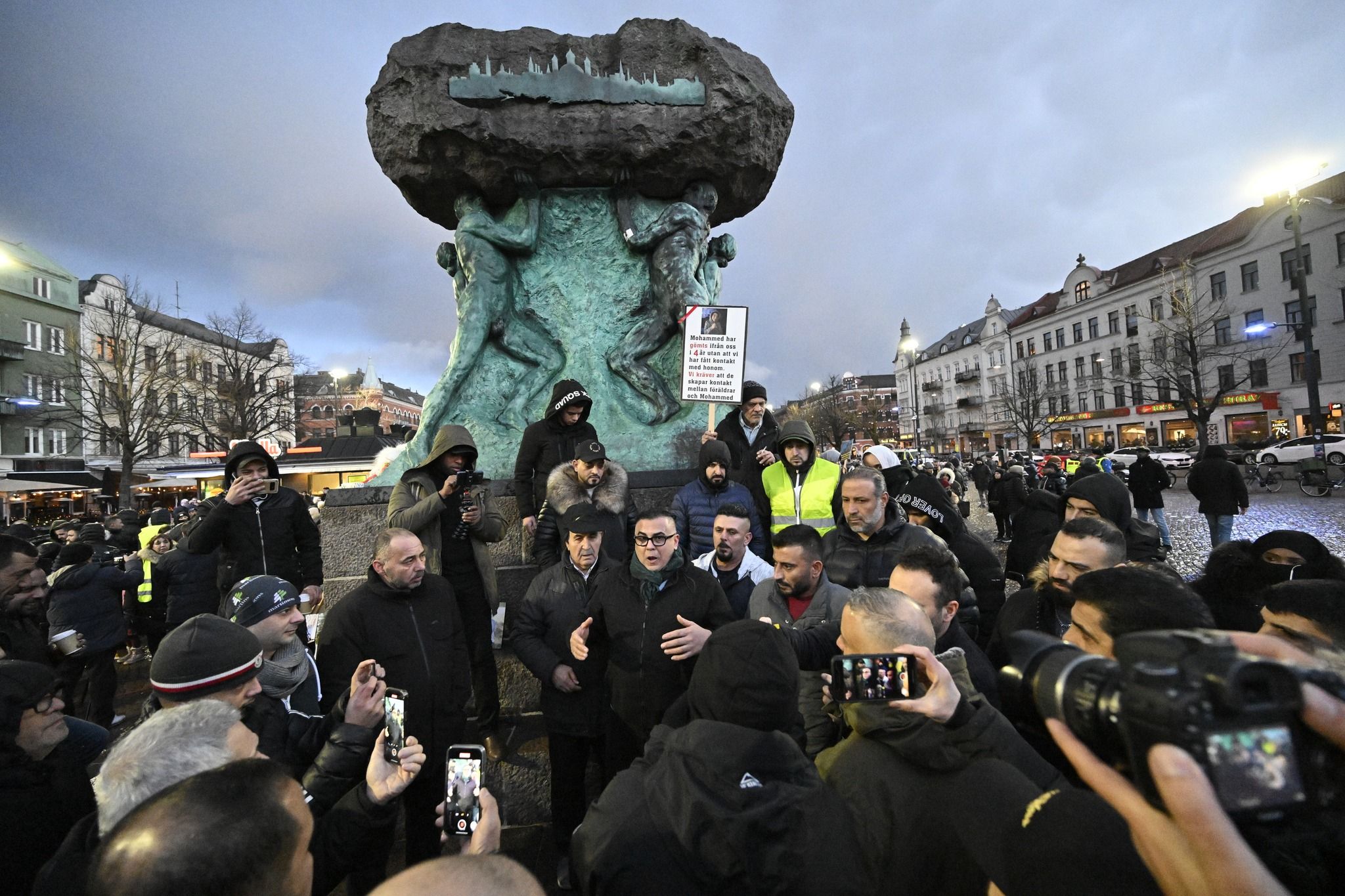
المسؤولية في حل الأزمة المركّبة مشتركة بين مؤسسات الدولة ووسائل الإعلام ومؤسسات المجتمع المدني والأفراد، وما يجب فعله في البداية هو الآتي:
- توسيع آليات الإبلاغ العنصرية والتمييز في المؤسسات الرسمية، ووضع عقوبات رادعة لهذه التصرفات حتى ينخفض شعور الأشخاص ذوي الخلفية المهاجرة أو المسلمة بالظلم.
- زيادة المعلومات المتعلقة بالمؤسسات الرسمية السويدية وطريقة عملها بلغات مختلفة يمكن للمهاجرين الوصول لها بسهولة.
- إعادة النظر في هيكلية المواقع الإلكترونية الرسمية السويدية لتكون أكثر سهولة في التعامل معها عند البحث عن المعلومات.
- اتخاذ نقابة الصحفيين موقفاً مسؤولاً من خلال إصدار دليل لتجنب التمييز في الأخبار السويدية.
- زيادة عدد الصحفيين من فئات مهاجرة في غرف الأخبار السويدية لتكون هذه الغرف أكثر قدرة على التواصل مع مجتمعات المهاجرين.
- وضع منهاج تربية إعلامية للمهاجرين كي يكونوا أكثر قدرة على تجنّب الأخبار الزائفة والكاذبة على مواقع التواصل الاجتماعي.
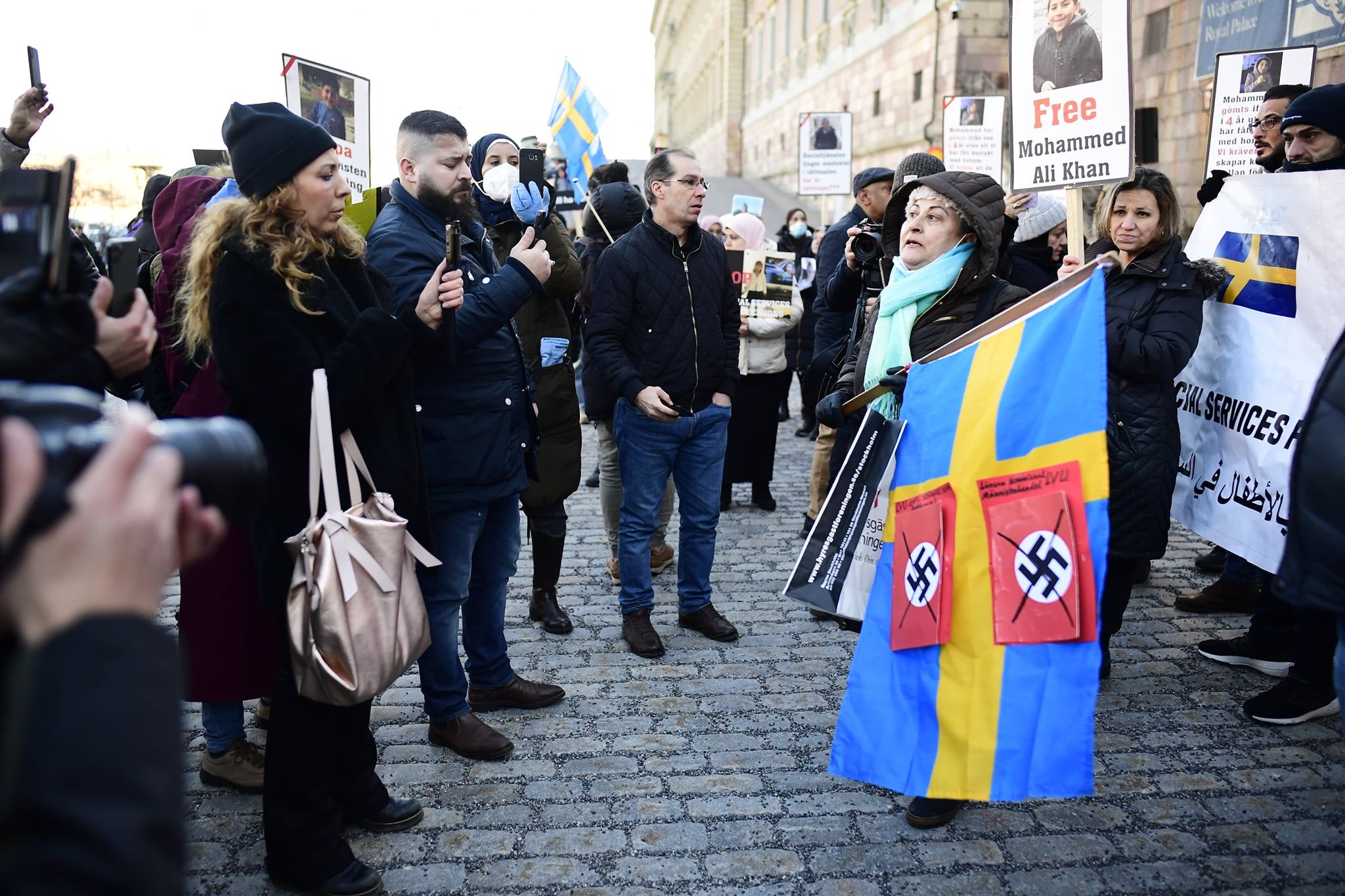
The socialtjänsten crisis is more dangerous than Swedish authorities think
The socialtjänsten crisis, a series of allegations that children were taken from Muslim families in Sweden, revealed deep structural issues with the messaging directed to a large segment of the population. These issues must be resolved before they escalate.
The crisis must be broken down into separate parts in order to be understood, so that realistic solutions can be found as soon as possible.
Swedish media ignore immigrants
At the base of the crisis is the fact that immigrant families are forced to get their information from foreign media outlets. For example, Islamic Affairs channel on Youtube, media pages with no sense of professional ethics, or influencers who share information without confirming its validity.
These families resorted to these media outlets after Swedish media – both public and private – failed to deal with the issues relevant to them.
In Swedish media, immigrants appear in one of two cases. The first is coverage of crimes where immigrants are the perpetrators. The second is immigrant success stories, where the implication is that immigrants are not expected to succeed in the first place.
The Swedish media’s frequent invoking of stereotypes about immigrants and Muslims, as well as the immigrant’s skepticism of the media, shows the mistrust between the two sides.
These are not spurious allegations. Media organizations would come to the same conclusions if they conducted their own analysis of media content or a survey of how immigrants view their depiction in the media.
Growing racism
The is not the first time that the Muslim community in Sweden has expressed a feeling of injustice due to racism and social ostracization. The events in Malmö in August 2020, with the spread of negative commentary after the death of the cartoonist Larch Felix, is indicative of the frustration experienced by Muslims in Sweden.
Although these are events related to Islam, I consider them related to racism, not primarily religion, as the majority of Muslims in Sweden are from an immigrant background and are of color.
The socialtjänsten crisis is based on false news, but it took such hold in the Muslim community due to its collective sense of injustice. Many Muslims would not have believed the fake news were it not for their own personal experiences of racism.
Sweden's official institutions should take this problem seriously from now on, and work to find and eliminate centers of racism instead of treating each incident separately.
Ambiguity in communication between the state and new arrivals
The majority of Muslims in Sweden come from immigrant backgrounds, primarily from countries where there is no trust between state institutions and citizens. Sweden has completely failed to explain the between state institutions and the new population present in the immigrants’ new host country.
What is the form of the social contract between the state and the population in Sweden? What is the function of state institutions? What are the duties of the individual? These are basic matters that have not been explained for immigrants, and the average individual often struggles to answer these questions on their own.
For the immigrant in Sweden, there are communication gaps between the individual and state institutions. These gaps result in a significant disconnect, which is why Sweden began circulating in formation about the socialtjänsten crisis in Arabic far after the rumors had proliferated among immigrant communities.
The easier new arrivals can find information, the more the ambiguity that exacerbates the feeling of isolation among immigrants is reduced.
What can be done?
Responsibility for solving the complex crisis is shared by state institutions, the media, civil society institutions and individuals. The following is a set of recommendations for initial steps to resolve the communications crisis.
- Expand the mechanisms for reporting racism and discrimination in official institutions and set deterrent penalties for these behaviors so that people with immigrant or Muslim backgrounds feel protected.
- - Increase information about Swedish official institutions and how they work in different languages so that migrants can easily access them.
- Reconsider the structure of official Swedish websites to be more searchable.
- The Journalists' union should issue a guide to avoid discrimination and hate speech in Swedish media.
- Increase the number of journalists from immigrant groups in Swedish newsrooms so that these outlets are more able to communicate with immigrant communities.
- Develop a media literacy curriculum for immigrants so that they can better avoid misinformation and fake news on social media.